
A természet álomvilága – Mihály Magdolna kiállítása

helyszín: Festetics palota, Kőszeg Chernel u. 10. látogatható: 2025. április 30-ig hétköznap 8-16 óra között Magda Mihály was born in 1936 in Nagyenyed/Aiud in a Hungarian family in Romania. She graduated as an art teacher from the Pedagogical Faculty of…
helyszín: Festetics palota, Kőszeg Chernel u. 10.

látogatható: 2025. április 30-ig hétköznap 8-16 óra között

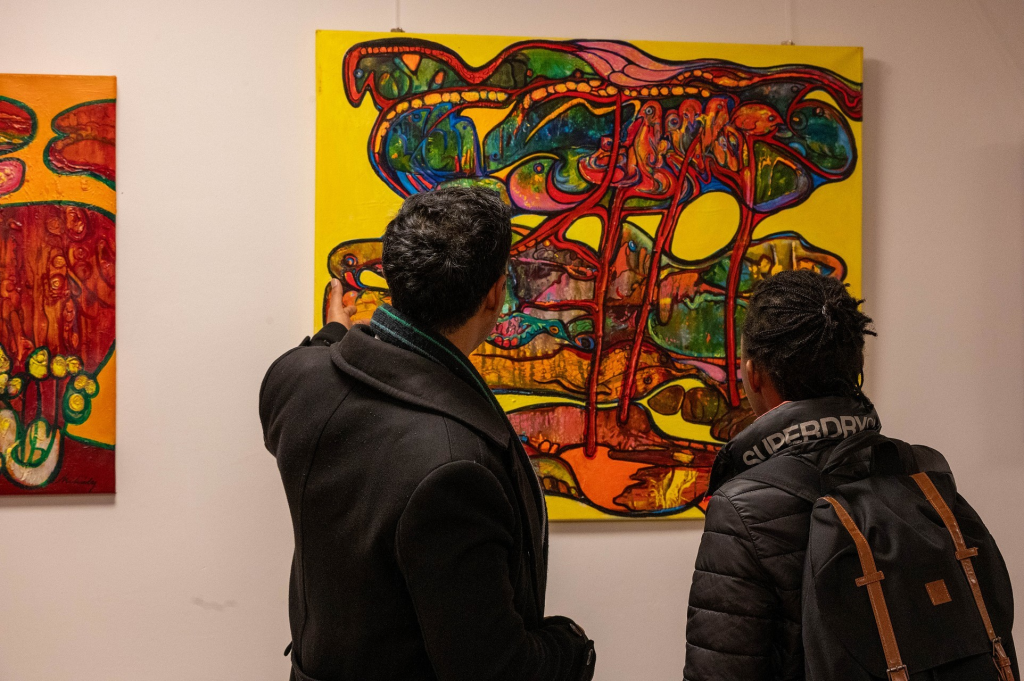
Magda Mihály was born in 1936 in Nagyenyed/Aiud in a Hungarian family in Romania. She graduated as an art teacher from the Pedagogical Faculty of the University of Arts in Kolozsvár/Cluj-Napoca in 1963. She taught in Nagybánya/Baia Mare for a long time and actively participated in the artistic life of Nagybánya, which has a rich tradition in art.She currently lives in Toronto, Canada. During her years in Canada, her artistic style continued to evolve. The traditions of the Canadian “Group of Seven” art school are similar to those of the Nagybánya artists’ colony and Magda Mihály’s art has been further enriched with the motifs of North American First Nations/First People. This exhibition invites viewers on a journey through surreal and dreamlike interpretations of nature. The paintings blend natural forms with vibrant colors, creating landscapes that exist between reality and imagination.

Tartalomjegyzék

További olvasnivaló

Kapcsolódó bejegyzések

Aktuális programok és események az ISES és a KRAFT program körében.

Hírek
2026. May 18.
Újabb rangos nemzetközi elismerés erősíti a magyar tudományos jelenlétet Európában: Miszlivetz Ferenc szociológust, az ISES Alapítvány tudományos vezetőjét a European Academy of Sciences and Arts rendes tagjává választotta 2026. április…
Hírek
2026. April 22.
Applications are now open for the 31st International Summer University, taking place June 21–26, 2026 in Kőszeg, Hungary. This year’s theme, Europe’s Choice: Power, Politics, and Partnerships, addresses some of
Hírek
2026. March 9.
Motherhood Transformed: A Hub for Critical Engagement in the Visegrad Countries The project explores transforming motherhood in post-socialist Visegrad countries as a key democratic and social issue. It connects scholars,